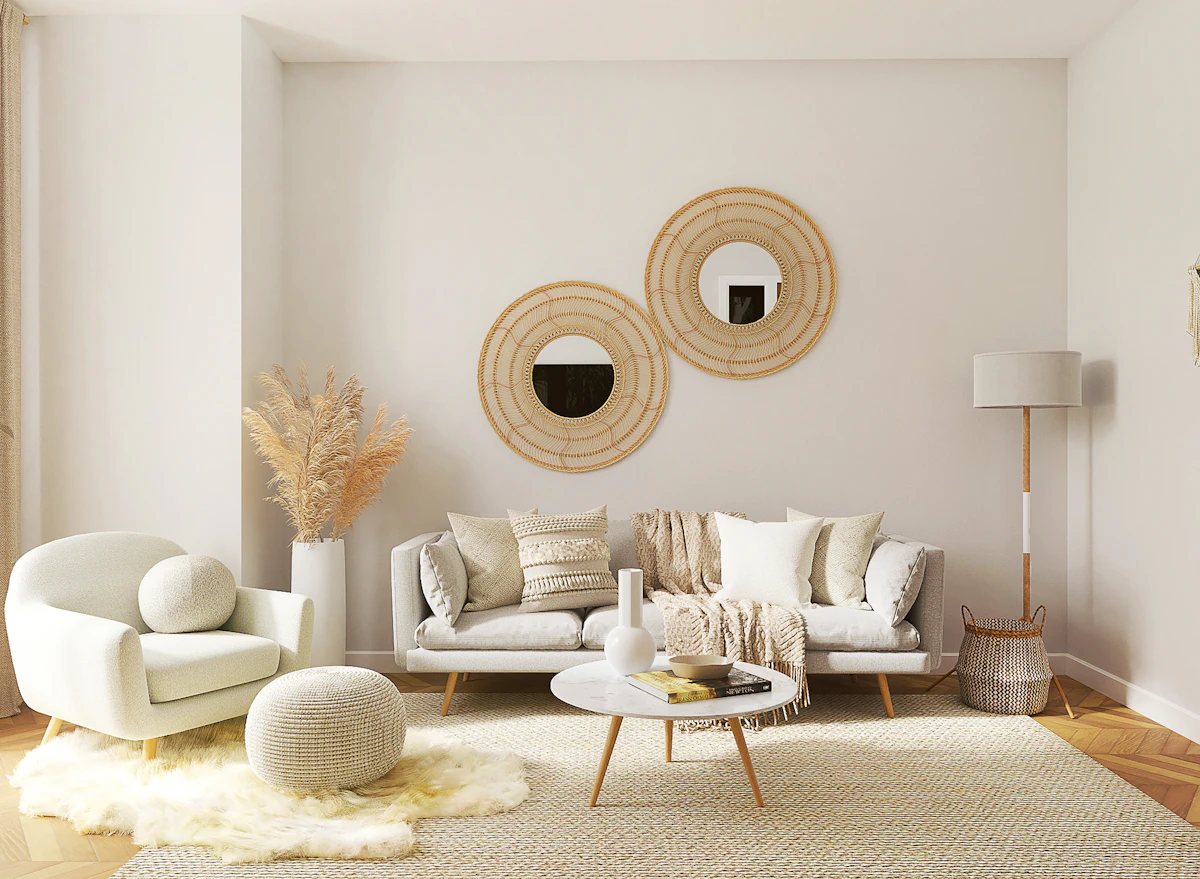
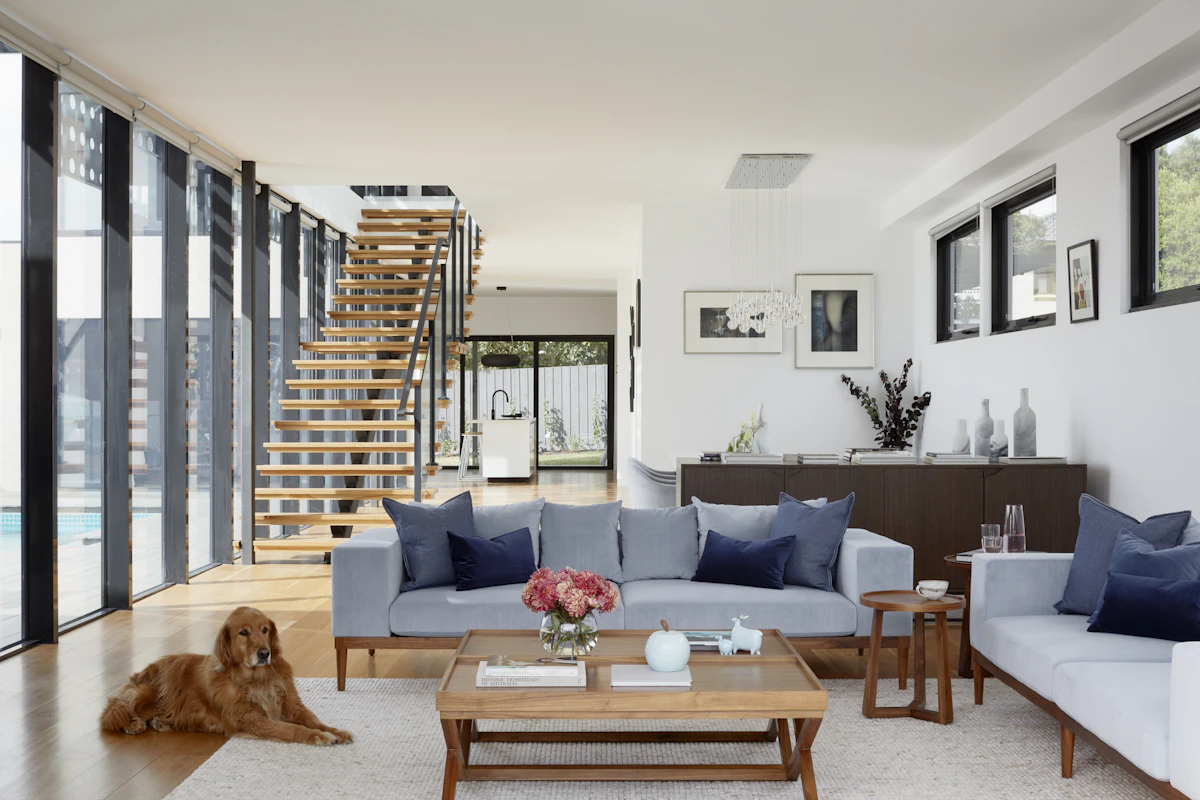
Ambient: the layer you should barely notice
Ambient light lets people move safely and read the shape of a room. It should be the quietest layer, usually indirect — from coves, uplight or wall wash. When ambient light is the brightest thing in a room, the room looks institutional.
Task: exactly where the work happens
Task light belongs on the worktop, the desk, the reading chair — and nowhere else. Its great advantage is that it can be switched independently, so a kitchen at full task level for cooking can drop to ambient alone for a late conversation.
Accent: where the eye is invited
Accent light creates hierarchy. Art, joinery, a planted courtyard, a textured wall — lit at three to five times the surrounding level, these become the things people look at. Accent is what separates a designed room from a lit one.
Balancing the three
The ratios matter more than the absolute numbers. Ambient low, task local and switchable, accent high but narrow. Get the ratios right and a room works at a fraction of the energy of an evenly lit equivalent.