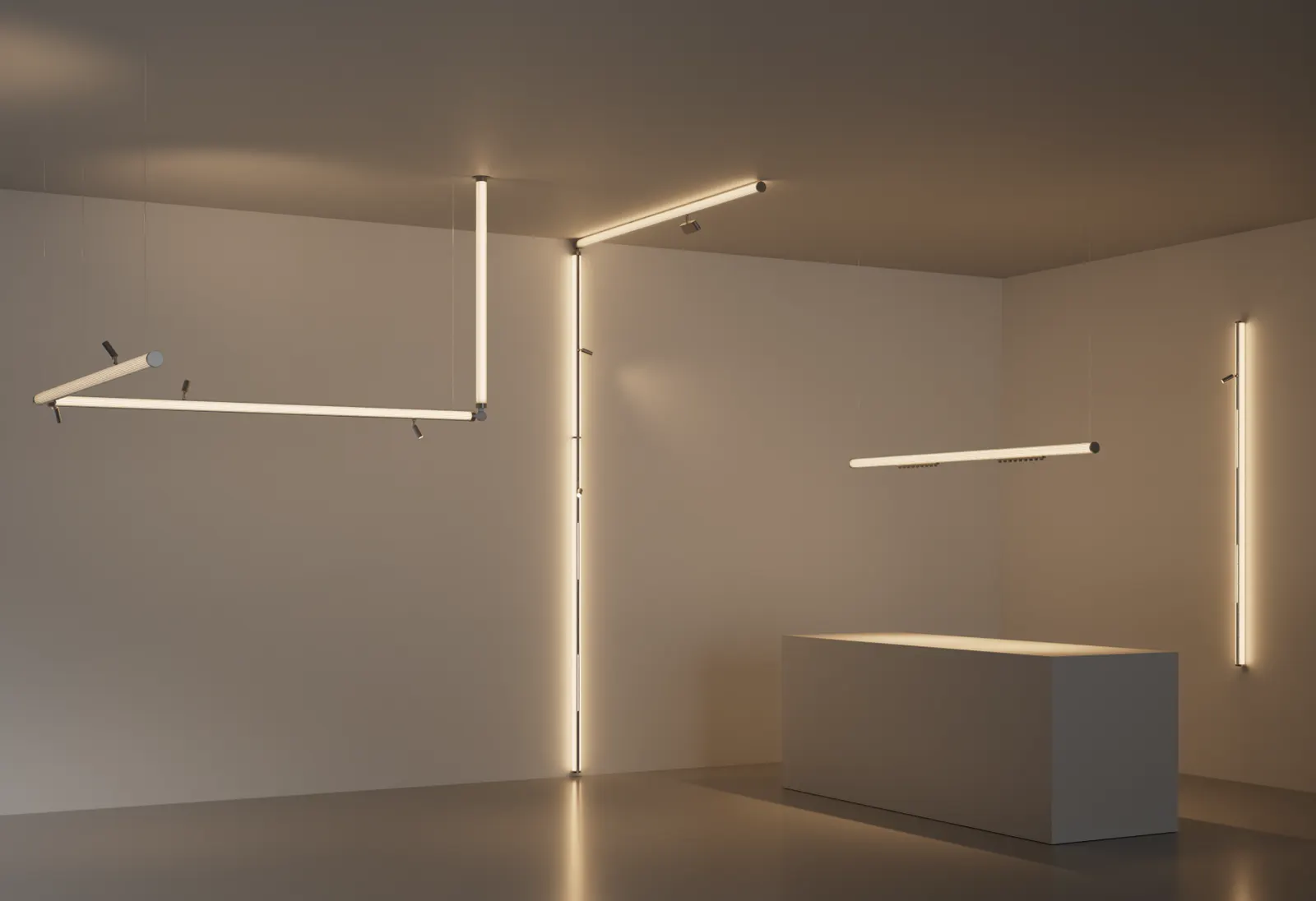

The right hotel lighting does more than make a space visible. It influences how guests experience a lobby, how comfortable a guest room feels, how food looks in a restaurant, and how a hotel is perceived after dark.
For a hotel or hospitality project in Dubai, lighting also needs to work with the architecture, interior design, operational requirements and local environmental conditions.
A successful hotel lighting Dubai strategy therefore starts with the space and its purpose,not with choosing fixtures from a catalogue.
The most important factors include:
- The function of each area
- Desired ambience and visual identity
- Colour temperature and colour rendering
- Glare control and visual comfort
- Energy efficiency
- Lighting controls and dimming
- Fixture durability and maintenance
- Integration with architectural and interior design
- Outdoor environmental conditions
- Installation and access requirements
- Applicable local building and energy requirements
Dubai's hospitality sector includes luxury hotels, resorts, boutique properties, restaurants, cafés, serviced apartments and entertainment venues. Each has a different lighting brief, so a single lighting approach rarely works throughout an entire property.
Why Is Lighting So Important in Hospitality Projects?
Hotels are experienced visually from the moment a guest approaches the building.
The sequence might include:
Arrival → Entrance → Lobby → Reception → Lift lobby → Corridor → Guest room → Restaurant → Leisure areas
Each space needs a different lighting response.
A dramatic entrance may benefit from architectural accent lighting, while a guest room requires a calmer combination of ambient, task and decorative lighting. A restaurant may need focused illumination on tables while maintaining a comfortable overall atmosphere.
Good hospitality lighting balances three things:
- Function – people can see comfortably and safely.
- The atmosphere – the space has the intended mood.
- Architecture – lighting supports rather than competes with the design.
This is particularly relevant in Dubai, where hospitality interiors often combine architectural detailing, premium materials, decorative elements and strong visual identities.
How Do You Choose Lighting for Different Hotel Areas?

The lighting specification should change according to how each space is used.
1. Hotel Lobby and Reception Lighting
The lobby is often the first major interior experience for a guest.
Lighting should help create a clear arrival point while highlighting important architectural features such as:
- Reception desks
- Decorative walls
- Artwork
- Columns
- Ceiling details
- Sculptural installations
- Feature furniture
A layered approach generally works better than relying on one powerful ceiling fixture.
For example, recessed downlights can provide general illumination while concealed linear lighting or wall washers highlight architectural surfaces. Decorative pendants or chandeliers can then provide a visual focal point.
The key is to control brightness and contrast carefully. A dramatic lobby can still feel uncomfortable if guests experience excessive glare when looking toward the reception desk.
2. Guest Room Lighting
Guest rooms require more flexibility because they support several activities.
A guest may want to:
- Relax
- Read
- Work
- Dress
- Prepare for bed
- Use the bathroom
- Move around at night
Instead of one central light, consider multiple layers:
| Lighting Layer | Typical Purpose |
|---|---|
| Ambient lighting | General room illumination |
| Bedside lighting | Reading and personal use |
| Task lighting | Desk, dressing or work areas |
| Accent lighting | Artwork, walls or architectural details |
| Decorative lighting | Adds character and visual identity |
| Night lighting | Gentle illumination for movement |
Dimming is particularly valuable in guest rooms because the lighting requirement changes throughout the day.
The colour temperature should also support the intended atmosphere. Warmer light is commonly appropriate for relaxing areas, while task areas may require a different balance depending on the design and activity.
What Colour Temperature Is Suitable for Hotels?
Colour temperature is measured in Kelvin (K), and it affects how a space feels.
As a general design principle:
- Warm light can create a relaxed, intimate atmosphere.
- Neutral light can provide a cleaner and more balanced appearance.
- Cooler light can feel more alert and functional.
There is no universal Kelvin value that is correct for every hotel area.
A luxury restaurant, spa, guest room, kitchen, corridor and conference room may all require different lighting characteristics.
Consistency is also important. Poorly coordinated colour temperatures can make adjacent areas feel disconnected.
For hospitality projects, lighting designers should consider the finishes, fabrics, wood tones, stone, artwork and overall interior palette before finalising the specification.
How Should Lighting Be Designed for Hotel Restaurants and Cafes?
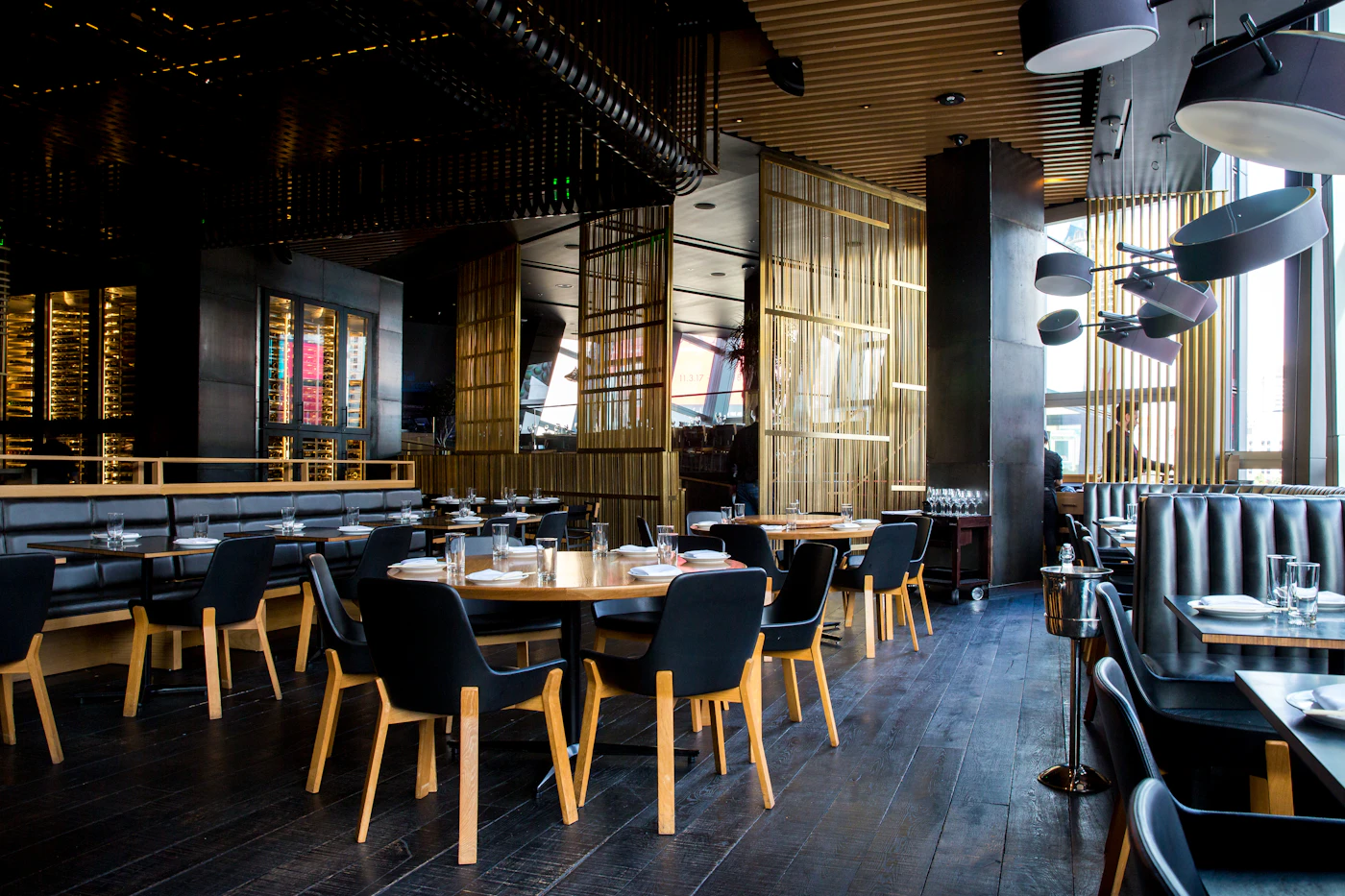
Restaurant lighting needs to support both the food and the atmosphere.
A common mistake is trying to illuminate every part of a restaurant equally.
Instead, consider where the guest's attention should go.
Lighting can be used to create hierarchy:
Table → Dining area → Feature wall → Bar → Decorative elements
Focused lighting over tables can create intimacy, while softer surrounding illumination maintains the overall mood.
For cafes and casual dining spaces, lighting may need to support longer periods of occupancy, social interaction and sometimes laptop or work use.
The design should also consider reflections from glassware, polished tables and other reflective finishes.
What About Hotel Corridors and Guest Circulation Areas?
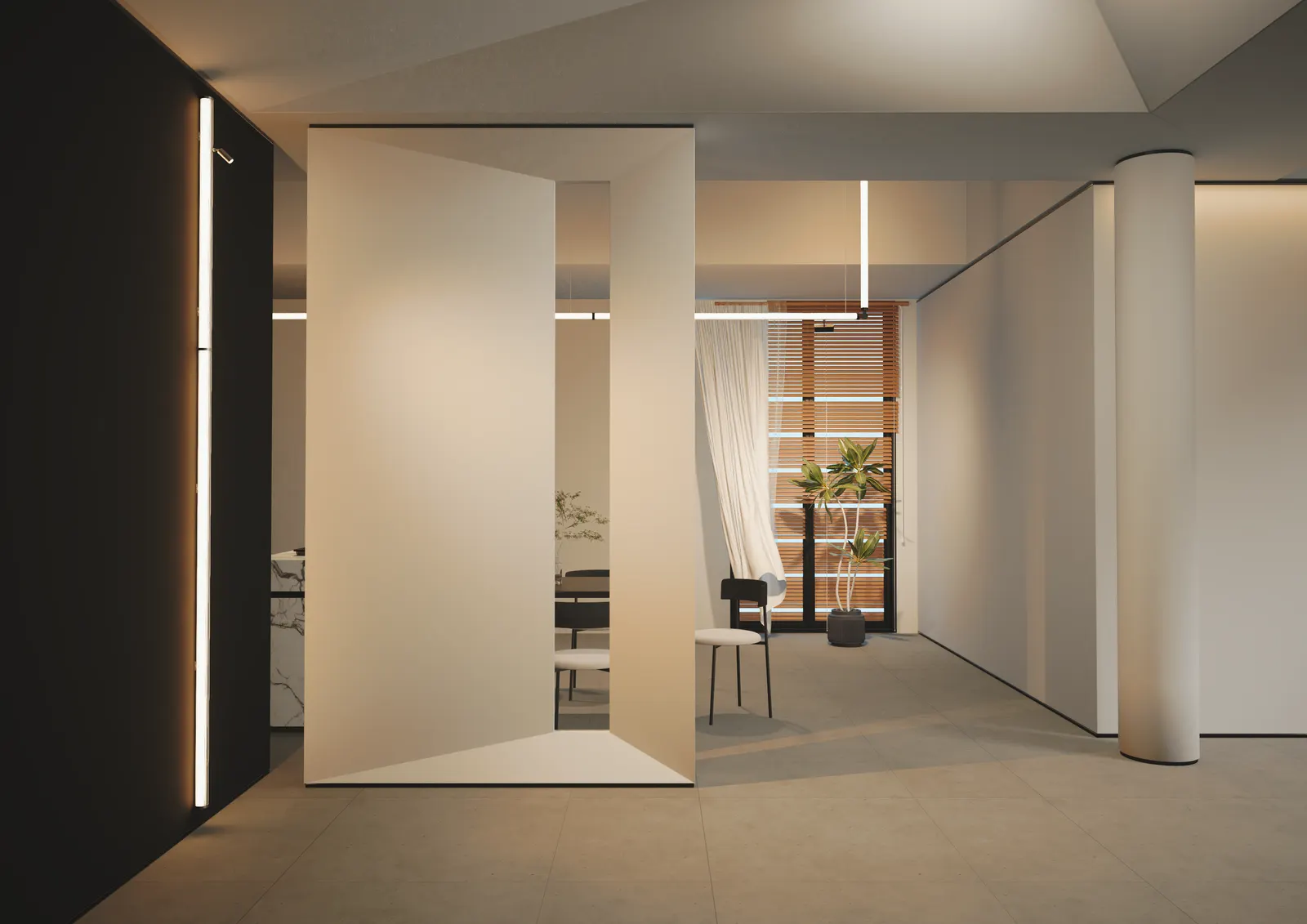
Corridors need to provide comfortable visual guidance without feeling overly bright or monotonous.
Lighting can be integrated into:
- Ceiling systems
- Wall surfaces
- Skirting details
- Door numbering
- Architectural niches
- Artwork
Linear lighting can help create a visual rhythm along long corridors, while carefully positioned downlights can provide functional illumination.
Uniformity matters, but excessive brightness is not necessarily the answer. A well-designed corridor can use contrast and architectural details to create a more refined experience
How Should Hotel Bathrooms Be Lit?
Hotel bathroom lighting needs to combine function with comfort.
Mirror areas deserve particular attention because poorly positioned light can create strong shadows on the face.
A practical bathroom lighting strategy may include:
- General ceiling illumination
- Mirror or vanity lighting
- Accent lighting
- Shower-area lighting where appropriate
- Night or low-level lighting
The selected fixtures should also be suitable for the specific environment, with appropriate protection and installation requirements.
What Should You Consider for Hotel Outdoor Lighting in Dubai?
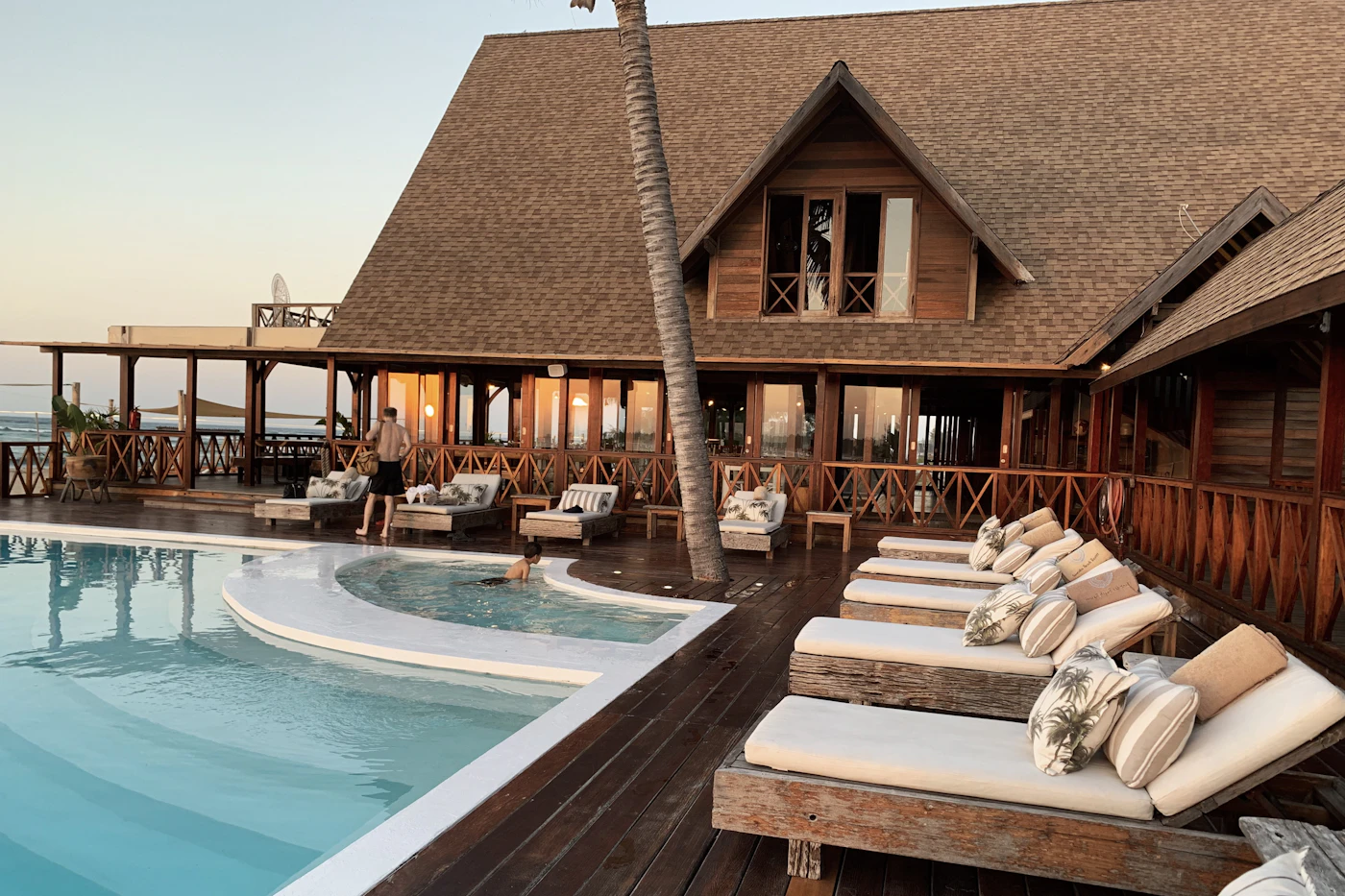
Outdoor hospitality lighting has additional considerations in Dubai.
External fixtures can be exposed to:
- High temperatures
- Dust
- Humidity
- Sun exposure
- Weather
- Cleaning and maintenance activities
The specification should therefore consider the fixture's environmental suitability, construction, installation position, driver performance, access for maintenance and required protection rating.
Outdoor lighting should also be carefully aimed. More light does not automatically mean better lighting.
For hotel entrances, landscaping, terraces, pathways and façades, the objective should be to highlight important elements while limiting unnecessary glare and light spill.
Energy Efficiency Should Be Part of the Design From the Beginning
Energy efficiency should not be treated as an upgrade added at the end of a hotel project.
The UAE's green-building guidance includes requirements and considerations around lighting efficiency and lighting controls for hospitality buildings. The UAE Ministry of Energy and Infrastructure's green-building material, for example, addresses efficient lighting and controls, while Dubai's Department of Economy and Tourism hotel sustainability guidance recommends measures such as daylight and occupancy sensors, automated lighting controls and efficient LED lighting.
For a hotel project, efficiency can involve more than selecting LED fixtures.
Consider:
- Lighting power density
- Efficient LED systems
- Dimming
- Occupancy sensors
- Daylight sensors
- Time scheduling
- Zoning
- Central lighting controls
- Appropriate illumination levels
- Switching off lighting when areas are unoccupied
The best solution is usually one that delivers the required visual result without unnecessarily illuminating areas that do not need it.
Why Are Lighting Controls Important for Hotels?
Hotels operate throughout the day and night, but not every area has the same occupancy pattern.
A lobby may require continuous lighting, while a back-of-house corridor may have very different usage patterns.
Controls can allow lighting levels and operating schedules to respond to actual use.
Depending on the project, a lighting control strategy may include:
- Dimming
- Scene setting
- Occupancy detection
- Daylight harvesting
- Timed schedules
- Centralised control
- Integration with building management systems
For example, a restaurant might use one lighting scene during daytime service and another for evening dining.
Guest rooms can also benefit from intuitive controls that allow occupants to adjust lighting without having to operate several unrelated switches.
What Should You Look for When Selecting Hotel Lighting Suppliers in Dubai?
Choosing hotel lighting suppliers in Dubai should involve more than comparing fixture prices.
A hospitality project can involve hundreds or thousands of individual lighting components, so specification support and project coordination matter.
Consider whether the supplier can provide:
- Technical datasheets
- Photometric information
- Installation details
- Driver information
- Dimming compatibility
- Colour temperature options
- Colour rendering information
- Appropriate environmental ratings
- Samples for design approval
- Consistent product availability
- Replacement and maintenance support
- Documentation required for project approvals
For large projects, it is also useful to clarify lead times early. A beautifully specified fixture is not particularly useful if it cannot arrive when the installation programme requires it.
Why Lighting Samples and Mock-Ups Matter
Lighting drawings can show where fixtures are positioned, but they cannot always communicate how the finished space will feel.
A sample installation or mock-up can reveal issues such as:
- Excessive glare
- Unexpected shadows
- Poor wall-washing
- Incorrect colour appearance
- Visible light sources
- Uneven illumination
- Reflections on polished surfaces
- Inconsistent colour temperature
For a high-end hotel, testing important lighting details before large-scale installation can prevent expensive changes later.
This is especially useful for feature walls, guest room headboards, vanity areas, restaurants, reception desks and façade details.
Common Hotel Lighting Mistakes to Avoid
Choosing Fixtures Before Defining the Lighting Concept.
A fixture may look attractive on its own but fail to perform correctly in the finished space.
Start with the intended lighting effect and application.
Using the Same Colour Temperature Everywhere
Different spaces have different functions and moods. A hotel should feel cohesive, but that does not mean every fixture needs identical lighting characteristics.
Ignoring Glare
High brightness without proper optical control can make an expensive interior feel uncomfortable.
Focusing Only on Fixture Wattage
Wattage alone does not tell you whether a fixture is suitable.
Consider light output, efficacy, beam angle, colour quality, optics, glare, controls and application.
Forgetting Maintenance
A fixture installed several metres above a lobby may look impressive, but the maintenance strategy needs to be considered before installation.
Think about access, replacement components, driver locations and cleaning.
Treating Decorative Lighting as the Entire Design
Decorative fixtures can provide identity, but they should work together with architectural, ambient and task lighting.
Leaving Controls Until the End
Lighting controls affect wiring, zoning, switching, dimming and integration. They should be discussed during the design stage rather than after fixtures have been selected.
A Practical Checklist for Hotel Lighting Projects in Dubai
Before approving a lighting package, ask:
- What is the purpose of each lighting zone?
- What atmosphere should the space create?
- Where will guests naturally look?
- Are important architectural features highlighted?
- Is glare controlled?
- Is the colour rendering suitable for the application?
- Are colour temperatures coordinated?
- Can lighting levels be adjusted?
- Are the fixtures suitable for their environment?
- How will outdoor fixtures handle local conditions?
- How will the system be maintained?
- Are drivers and control equipment accessible?
- Does the design consider energy performance?
- Are lighting controls integrated into the project plan?
- Have critical areas been tested with samples or mock-ups?
- Are the selected products supported by appropriate technical documentation?
How ADESTA LIGHTING MIDDLE EAST LLC Can Support Hospitality Lighting Projects
ADESTA LIGHTING MIDDLE EAST LLC is a Dubai-based lighting company providing lighting solutions for projects where architectural appearance, functionality and performance need to work together.
For hotel and hospitality developments, the lighting requirement can vary significantly between guest rooms, reception areas, restaurants, corridors, outdoor spaces and architectural features.
A project-focused approach allows the lighting package to be considered around the actual application rather than simply selecting individual fixtures.
For architects, interior designers, consultants, contractors, developers and hotel operators, early lighting coordination can also help identify practical issues before they reach the installation stage.
The right lighting solution should ultimately support the guest experience while remaining practical for the people responsible for operating and maintaining the property.
Conclusion
Good hotel lighting is not simply about making a property brighter. It is about deciding where light is needed, how much is needed, what it should reveal and how it should make people feel.
For hospitality projects in Dubai, that means balancing design intent with guest comfort, energy performance, durability, controls and long-term maintenance.
From a luxury hotel lobby to a restaurant, guest room, corridor or outdoor terrace, every area deserves a lighting strategy suited to the way it is used.
For a new hospitality development or refurbishment in Dubai or elsewhere in the UAE, involving a professional lighting solutions provider early in the project can help the design, product selection and installation work together from the beginning.
ADESTA LIGHTING MIDDLE EAST LLC can work with project teams looking for practical lighting solutions for hospitality, commercial, residential and architectural applications in Dubai and the UAE.